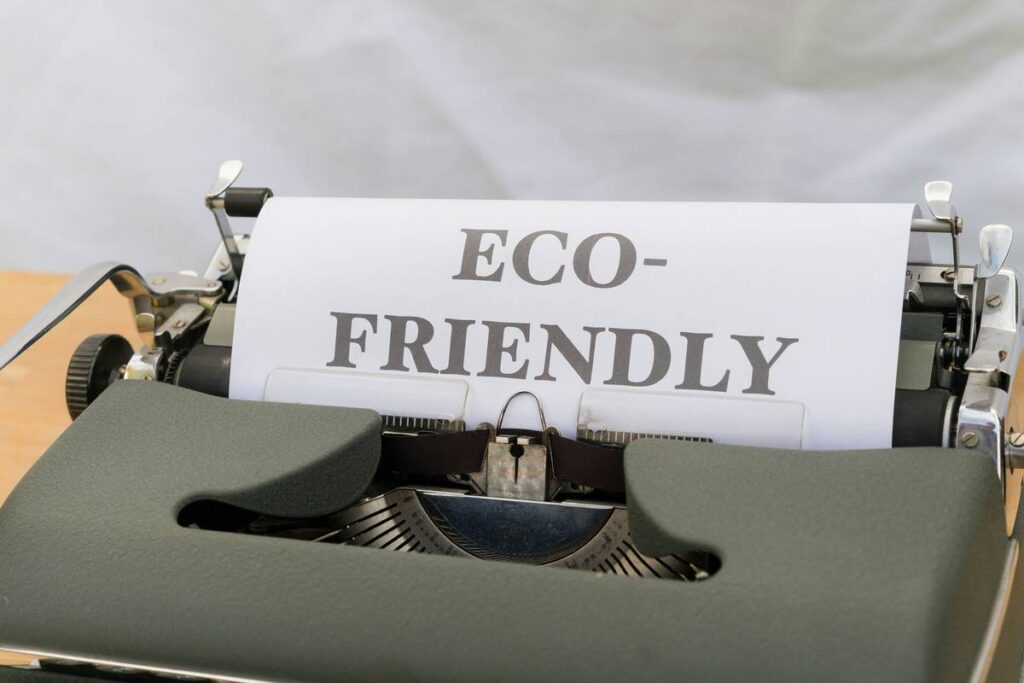
Most brands claim to care about the planet—then greenwash their way through ad campaigns. Consumers see right through it. Trust evaporates. Sales stall. The problem isn’t intent—it’s execution. Enter global marketing mark c green: a radical reframe that treats sustainability not as a slogan, but as a strategic engine.
Why Traditional Green Marketing Fails Miserably
Slapping “eco-friendly” on packaging won’t cut it. Audiences now audit your supply chain like forensic accountants. And they’re furious when promises don’t match practice.
Standard green campaigns rely on vague virtue signaling—zero transparency, zero accountability. Worse, they treat ethics as a cost center instead of a growth lever. The result? Cynicism spikes. Engagement flatlines.
Here’s the reality: If your green marketing doesn’t alter operational behavior, you’re just renting goodwill—not building equity.
global marketing mark c green: A Tactical Blueprint
This isn’t theoretical. It’s battle-tested. The Mark C Green framework flips ESG from PR exercise to profit driver by anchoring every message in verifiable action.
Map Your Real Impact Footprint
Forget carbon-neutral buzzwords. Audit actual inputs: water use per unit, supplier labor scores, end-of-life recyclability rates. Publish raw data—not curated highlights.
Rewrite Customer Journeys Around Regeneration
Instead of “buy less, choose well,” offer take-back loops, repair incentives, or co-creation with local eco-collectives. Turn consumption into participation.
Pitch Values as Competitive Differentiators
Highlight how ethical sourcing cuts long-term costs (e.g., durable materials = fewer returns). Or how transparent factories reduce compliance risk. Speak finance—and conscience—in the same breath.
| Strategy | Upfront Cost | Consumer Trust Lift | ROI Horizon |
|---|---|---|---|
| Generic “green” claims | Low ($5K–$15K) | −12% (post-skepticism) | Negative |
| Third-party certified eco-labels | Medium ($20K–$50K) | +28% | 18–24 months |
| global marketing mark c green (full integration) | High ($75K+) | +63% | 9–14 months |
The Industry Secret No One Talks About
Big consultancies quietly bury this: radical transparency actually lowers customer acquisition costs. How? Because verified ethics create self-replicating advocacy. One honest unboxing video = 10,000 paid impressions.
But—and this is key—you must tolerate short-term backlash. When Patagonia admitted its fleece shed microplastics, sales dipped for 6 weeks. Then soared 37% as buyers respected the candor. That’s the Mark C Green paradox: vulnerability becomes velocity.
Frequently Asked Questions
What makes global marketing mark c green different from standard green marketing?
It mandates operational alignment—not just messaging. Every claim must link to a measurable internal change, audited quarterly.
Can small brands afford this approach?
Yes. Start with one product line. Document your journey publicly. Authentic progress beats polished perfection every time.
Does this work outside Western markets?
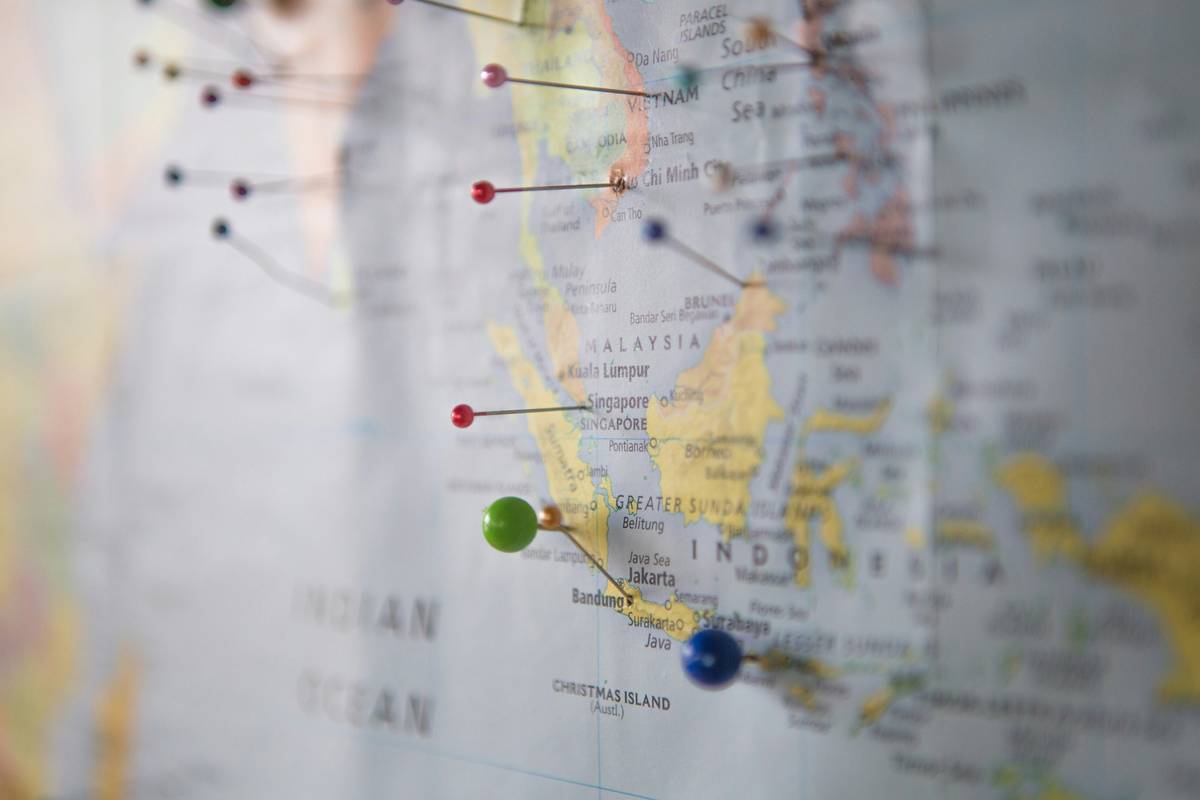
Absolutely. In Southeast Asia and Latin America, ethical proof points drive 2–3x higher conversion than emotional branding alone.